Monday, December 27, 2010

quinoa

Quinoa, pronounced keen-wah, is not a grain but a seed. The plant is called Chenopodium, "goose foot", due to the  resemblance of the  leaves to the webbed goose foot and is closely related to spinach ,chard and beets. It grows in semi-arid areas were the rainfall doesn't exceed 2 inches. The plant thrives at altitudes of 9,000 to 13,000 feet above sea level. The Incas called it "the mother of grains", they used to make a mixture of quinoa and fat, known as "war balls", their armies were able to endure the arduous walks through the Andes mountains for days, just eating war balls. The Incas had three staples: corn, potatoes and quinoa. Around the 1,500's when the Spaniards arrived, the cultivation of this crop was discontinued except for isolated areas where the indians were free to follow their traditions.


Benefits
  • Quinoa is high in iron, half a cup contains about 8mg of it.
  • It has a high fiber content.
  • It contains more calcium, potassium manganese, copper, magnesium and zinc that wheat.
  • It is gluten free.
  • It is an excellent source of protein.
  • Quinoa is very versatile, it could be used as a main meal or snack. 

Sunday, December 5, 2010

purslane

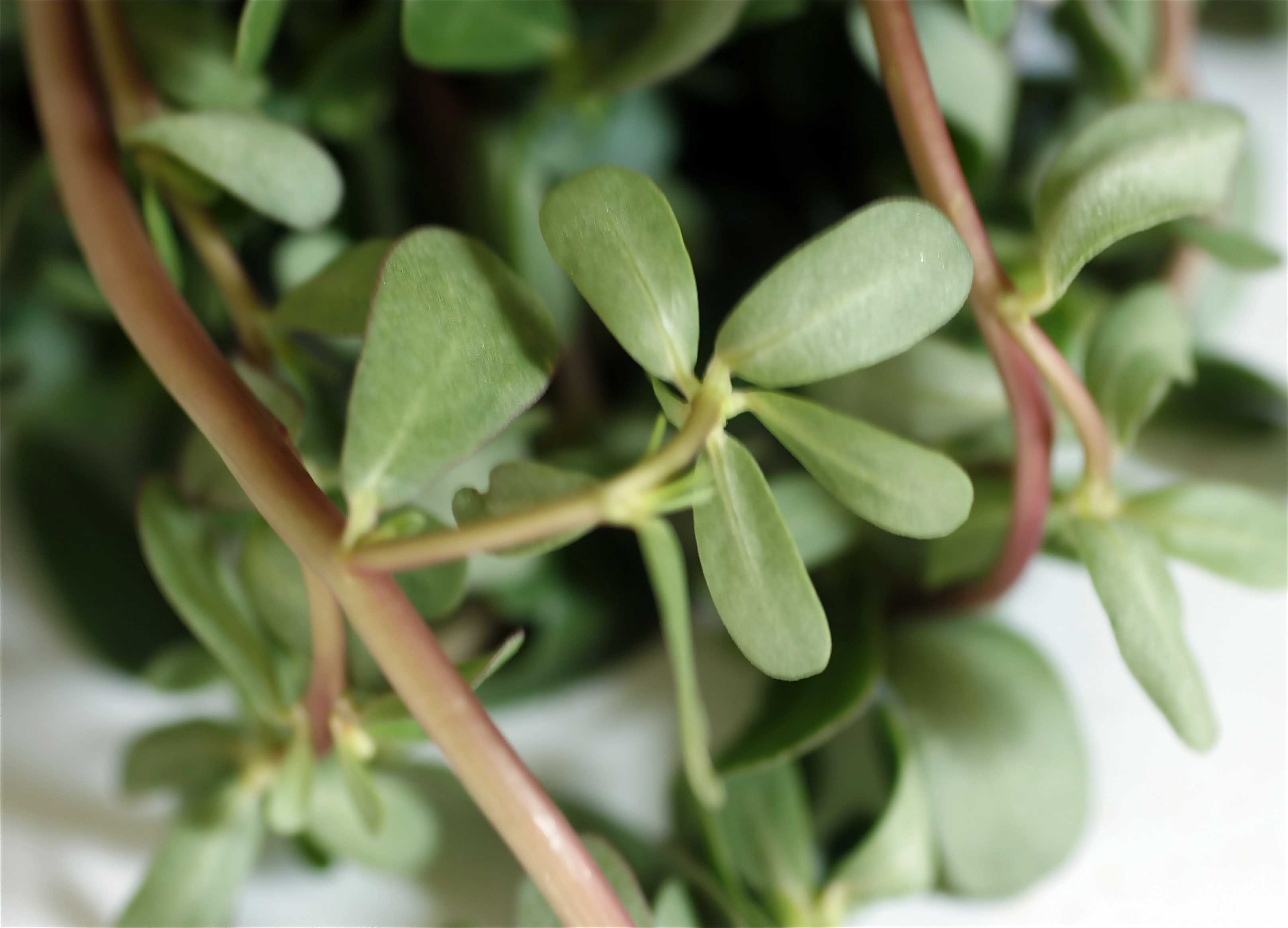
Very often people confuse purslane with a weed, but it is a very nutritious vegetable. Purslane was originally  cultivated in India, where it was a crop for many centuries. Now it grows wild all over America. Purslane was mentioned by Henry Thoreau in his book " Walden".
This plant is  a herbaceous leafy vegetable also known as pusley, pig weed or verdolaga.
  • Purslane is rich in Omega-3 fatty acids and its concentration is one of the highest found an any green leaf vegetable. 100 grams of purslane leaves may contain up to 300mg. of Omega 3's.
  • This plant is also a source of antioxidants. 
  • Purslane is an excellent source of calcium, one cup of cooked leaves contains 90mg of it.
  • To put the final touch, purslane contains quite a bit of potassium, one cup yields 560 mg.
  • It has a mild sweet flavor, it can be used raw in salads or steamed.      


+

Saturday, December 4, 2010

oregano


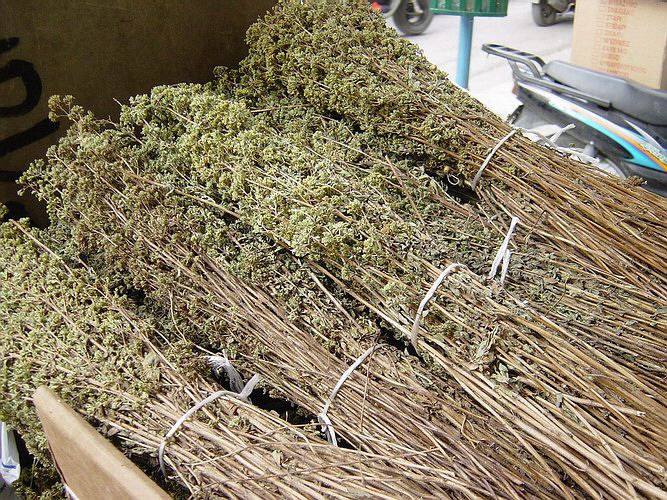
When we mention oregano, most  people think pizza!. There are so many varieties of oregano, that instead  of a plant, we should think of a flavor.
Origano vulgare, is rich in a variety of nutrients, including calcium, magnesium, zinc, iron, potassium, copper, boron, manganese, vitamin C, vitamin A and niacin. Dr. Cass Ingram wrote a book called "The Cure Is in the Cupboard", where he praises the benefits of oregano. Nowadays oil of oregano is a very popular supplement. Apparently it should be oil made from "wild oregano". Personally unless there is a condition to treat, I rather use plain oregano from my vegetable garden in my recipes.               
  • The medicinal parts of this plant are contained in the oil extracted from the leaves. This essential oil contains thymol and carvacrol,both compounds having anti fungal, anti parasitic properties. 
  • Oregano contains rosmaniric acid which has anti carcinogenic properties.
  • This oil has anti inflammatory properties.

Friday, December 3, 2010

delightful "dates"

When you badly need a snack late at night, this is the one!.

Recipe

1 cup of vanilla soy milk.
4 or 5 chopped dates
1 banana sliced

Blend the ingredients for a couple of minutes and enjoy it. If you are trying to loose weight, this is not the one, sorry.

Wednesday, December 1, 2010

garlic

                                                     
 Garlic is one of the oldest medicinal foods on the planet.There is mention of it in the oldest medical text  the "Egyptian Ebers Papyrus". It was used in Greece and China. 
Louis Pasteur, the 19th century chemist, demonstrated the antiseptic properties of garlic. This information was put to use in World War I and World War II by the British, German and Russian armies to fight gangrene.
Garlic is the most pungent member of the onion family. 

Benefits
  • It is good for your cholesterol levels, it lowers the bad cholesterol (LDL) and it pumps up the good one (HDL). It seems that a small supplement of 1 1/2 to 3 cloves of garlic taken daily, can lower your cholesterol by about 9% in 2 to 6 months.
  • Garlic thins the blood, which can help  reducing plaque in the arteries. Be careful, it may enhance the effects of blood thinning medications.
  • A diet rich in garlic can reduce the risk of certain cancers including stomach and colon cancer.
  • Garlic may increase insulin secretion, which would reduce blood sugar and even have a reverse effect on diabetes.
  • Inhibits the common cold viruses as well as other viruses and micro-organisms.
  • Eliminates worms, unfavorably bacteria and yeast.
  • It seems to have a positive effect on lowering high blood pressure.
  • It promotes the growth of healthy intestinal flora.
  • Garlic is detoxifying.
Get the full benefit of garlic

Allicin is the active ingredient in garlic. Garlic cloves contain an amino acid called allin, when garlic is crushed or damaged, allin reacts with an enzyme also found in the garlic plant, called allinase. This reaction produces allicin a compound unique to garlic. The garlic clove has to be chopped or crushed in order for this reaction to occur. Allicin begins to degrade as soon as it is produced, therefore it is important to use it right away. A whole clove intact doesn't have the medicinal value because the allicin hasn't  been produced.

Keep garlic in a dark and dry place. Don't keep it in the fridge, it will sprout quickly.
We all know that eating garlic can give halitosis, bad breath, to avoid it, combine it with parsley., which is helpful due to its chlorophyll content. I read that drinking milk with the garlic helps avoiding halitosis, personally I do.n't use milk and it seems that the combination is a bit wild, to say the least.

Cold remedy

Make a soup with garlic and cayenne, it has antiviral, antibiotic and diaphoretic (sweating) properties at the onset of a cold. Cayenne is one of the highest sources of vitamin C.

Tuesday, November 30, 2010

cantaloupe


Cantaloupes origin is not clear, either India, Africa or Persia. The name cantaloupe originates in the Italian papal village of Cantalup, where it was cultivated in 1700 AD.
What we usually call cantaloupe in America is actually a muskmelon. The real cantaloupes are cultivated in Europe only.
  • Melons are what we call high volume foods, meaning for a given amount of weight they contain fiber, air and a lot of water. That makes them low in calories.
  • Cantaloupes are high on vitamin C.
  • They are rich in potassium, a cup of cubed cantaloupe gives you over 400 mg, of Potassium. Foods rich in potassium lower the risk of heart disease and stroke.
  • They are very rich in vitamin A, deficiency of this vitamin results in decreased resistance to infection.
  • They are also an excellent source of beta carotene which transforms into vitamin A in the body. Beta carotene is an antioxidant that protects against cellular damage.
  • When buying a cantaloupe get the whole fruit, not halved or quartered pieces. Vitamin's C potency is diminished once exposed to the air.


dates


Date palms have been cultivated in North Africa for over 8000 years. Ancient Egyptians used the fruits to be made into a date wine. In the late 1700's, the Spaniards introduced dates in Mexico and California.
Christians use the leaves of the date palms for Palm Sunday. In north Africa the leaves are used for making huts.
  • The fruit is naturally sweet, they are described as nature's candy,  yes they are full of sugar, but also full of nutrients.
  • They are high on calories, a single date has over 60 calories.
  • They have Calcium and Magnesium in an almost perfect 1:1 ratio.
  • Dates are an excellent source of Potassium as well.
  • They are a good source of Iron, Niacin and vitamin B6.
  • They are very high on fiber.
  • Dates fall into three categories  depending on their  moisture content: soft, semi soft or dry.
  • They have almost no vitamin C.
Medicinal uses 
  • They have a tonic effect, they help establishing a colony of good bacteria in the intestines.
  • Dates have a laxative effect, soaking them overnight in water and make them into syrup the next morning. It would help constipation.
  • They  may be administered as an infusion, concoction or paste to relieve colds, catarrh or sore throat.
  • Remember that if you are on a low sugar diet or trying to lose weight, dates should be avoided.