Labels

Showing posts with label herbs. Show all posts

Wednesday, December 1, 2010

garlic

                                                     
 Garlic is one of the oldest medicinal foods on the planet.There is mention of it in the oldest medical text  the "Egyptian Ebers Papyrus". It was used in Greece and China. 
Louis Pasteur, the 19th century chemist, demonstrated the antiseptic properties of garlic. This information was put to use in World War I and World War II by the British, German and Russian armies to fight gangrene.
Garlic is the most pungent member of the onion family. 

Benefits
  • It is good for your cholesterol levels, it lowers the bad cholesterol (LDL) and it pumps up the good one (HDL). It seems that a small supplement of 1 1/2 to 3 cloves of garlic taken daily, can lower your cholesterol by about 9% in 2 to 6 months.
  • Garlic thins the blood, which can help  reducing plaque in the arteries. Be careful, it may enhance the effects of blood thinning medications.
  • A diet rich in garlic can reduce the risk of certain cancers including stomach and colon cancer.
  • Garlic may increase insulin secretion, which would reduce blood sugar and even have a reverse effect on diabetes.
  • Inhibits the common cold viruses as well as other viruses and micro-organisms.
  • Eliminates worms, unfavorably bacteria and yeast.
  • It seems to have a positive effect on lowering high blood pressure.
  • It promotes the growth of healthy intestinal flora.
  • Garlic is detoxifying.
Get the full benefit of garlic

Allicin is the active ingredient in garlic. Garlic cloves contain an amino acid called allin, when garlic is crushed or damaged, allin reacts with an enzyme also found in the garlic plant, called allinase. This reaction produces allicin a compound unique to garlic. The garlic clove has to be chopped or crushed in order for this reaction to occur. Allicin begins to degrade as soon as it is produced, therefore it is important to use it right away. A whole clove intact doesn't have the medicinal value because the allicin hasn't  been produced.

Keep garlic in a dark and dry place. Don't keep it in the fridge, it will sprout quickly.
We all know that eating garlic can give halitosis, bad breath, to avoid it, combine it with parsley., which is helpful due to its chlorophyll content. I read that drinking milk with the garlic helps avoiding halitosis, personally I do.n't use milk and it seems that the combination is a bit wild, to say the least.

Cold remedy

Make a soup with garlic and cayenne, it has antiviral, antibiotic and diaphoretic (sweating) properties at the onset of a cold. Cayenne is one of the highest sources of vitamin C.

Tuesday, November 23, 2010

ginger


This plant contains an array of ingredients with excellent health benefits.
Native of India and China, ginger is a rhizome, (which from Ancient Greek means a mass of roots), a horizontal stem of a plant that is usually found underground.

  • Most people know of the benefit of ginger to help sooth an upset stomach.
  • It also helps preventing nausea and vomiting.
  • The active ingredients in ginger are gingerols, zingerone, gigerdiones and shogaols, all of which are antioxidants.
  • Ginger is a hot herb, excellent for chills.
  • The zingerone and shogaol have anti-inflammatory properties, this might prove useful in the treatment of arthritis.
  • Ginger boosts the immune system, it is an active antiviral and antimicrobial agent.
  • Gingerols have an active roll preventing the growth of colorectal cancer cells.

Tuesday, November 9, 2010

Astragalus

                Astragalus is native to Asia,(northern and eastern China, Mongolia and Korea). There are several species but there are only two used in Chinese medicine: Astragalus Membranaceus and Astragalus Mongholicus, other species might have noxious side effects This herb have been used for thousands of years in Chinese medicine.

                Astragalus is a perennial plant of the pea family. The roots are where we find its medicinal properties. In China it has been used for centuries to boost the immune system. Clinical research in Western medicine is beginning to understand the beneficial effects of astragalus  and its stimulating action on the immune system.There are several compounds that promote this action: flavonoids, polyssacharides, glycosides, amino acids and some trace minerals.

                Benefits
  • Astragalus main benefit is to enhance the immune system, it is helpful in preventing the common cold.
  • Used in combination with other herbs is beneficial in the treatment of cancer. It doesn't destroy the cancer cells, but by strengthening the immune system helps combat the disease.
  • Also it has antiviral and anti-inflammatory properties.
  • Treats diabetes and protects the liver.
  • Helps protect the body against stress (physical, emotional and mental).
  • Contains antioxidants, improving the cardiovascular system.
  • Helps on the recovery of the effects of chemotherapy and radiation. 
  • Beneficial to treat colds and upper respiratory infections.
  • Increases metabolism and energy. 
        Side effects

        There are no side effects if used with caution by healthy adults. It interferes with corticosteroid medicines. Also it may decrease the effect of drugs that suppress the immune system.

        How to use astragalus

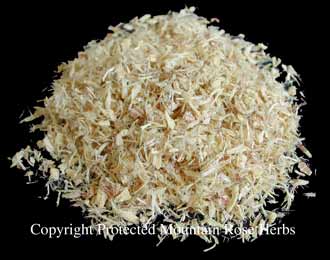
        Use the root to make tea, 3 to 6 grams of dried root per 12 oz. of water. Also can be used in capsules or tincture, follow manufacture instructions. As always buy from a reputable health food store.

        Used in combination with shitake mushrooms, American ginseng,Suma nad Pau d'arc, which are among the most powerful immune tonics available, it is excellent in the treatment of cancer and viral diseases.

        Personally I use it in soups, just add it along with other roots and vegetables. I brew it with licorice, it makes an excellent tea.

parsley

   Parsley, Latin name Petroselinum, it has a slightly warming nature. It is a biennial, bright green herb. It has a pungent, bitter and salty flavor, the latter makes it an excellent salt substitute. This herb is common in Middle Eastern  and Western cooking.

            There are two types of parsley mainly used in cooking: the curly leaf variety and the flat leaf one also known as Italian parley. There is also a variety of parsley grown as a root vegetable.Its roots are thicker than the ones cultivated for their leaves, this variety is used in Eastern European cuisines mostly in soups and stews.

            Parsley is a member of the carrot family and it has a very high nutritional value. It contains  vitamin C, K and B, as well as Calcium, Iron, Magnesium, Phosphorus, Potassium  and Zinc.

  • Contains Omega 3 fatty acids, important for renewal of heart and arteries.
  • Dries mucous conditions.
  • It is effective in most kidney and urinary problems, with the exception of kidney inflammation..
  • Strengthens adrenal glands.
  • It is successful in the treatment of ear infections and earache.
  • It is a cancer preventive.
  • Some Native Americans used it as a tonic to strengthen the bladder.
  • When crushed and rubbed on the skin alleviates the itching from mosquito bites.
  • Parsley contains the essential Apiol, which is proven to stimulate the kidneys due to its diuretic benefit. Also related to Amenorrhoea and Dysmenorrhoea. In the middle ages it was used to promote abortion. If used in excess can cause headaches, ringing of the ears and vertigo.

Wednesday, November 3, 2010

herbs

  •        Herbs are plants whose leaves, seeds, flowers or roots are used for flavoring foods or in medicine.Everybody has heard of chamomile, ginseng, echinacea, ginger and so on.
  •       Herbalism is the study or practice of using plants in medicine and cookery.
               There are four methods of herbal preparation:

  •      Infusion 
               Infusion is a drink prepared by soaking herbs in  boiling water to extract their flavor or healing properties. Pour boiling water onto the herbs, cover it and let it brew for about 20 minutes. strain and drink. Use about one ounce of herbs to a pint of water.

  •      Decoction
               Decoction is a concentrated liquid produced by  heating or boiling a substance (herbs). Decoctions are made from roots, bark, seeds or stems. simmer an ounce of herbs for 1 and a half pints of water for 30 minutes to an hour in a covered pot.Strain and ready to drink.

  •      Tincture
               Tincture is a medicine made by dissolving an herb in alcohol producing an extract. Soak a couple of ounces of the herb in a pint of alcohol 80 proof, like vodka. Shake the mixture daily for about a minute. After 14 days strain the liquid. Store in a dark glass container. Drink 20 drops once or twice daily.

  •       Capsules 
                A simple way are encapsulated herbs or herb preparations, you can do it yourself or buy them ready. To encapsulate the herbs they have to be powdered.

Friday, October 29, 2010

aloe vera

            INTRODUCTION
       
             Aloe Vera, known also as  burnt plant, sabila, lily of the desert, aloe, etc, has curative effects that are beginning to be acknowledge by modern medicine. Aloe Vera is a species of succulent plant, it originated in the southern part of the Arabian peninsula, grows in arid areas of India and Africa.

             Aloe Vera can be grown at home in a pot, use a well drained sand potting soil, expose it to plenty of sunlight, in warmer and dry climates can be outdoors, but as the weather gets colder and rainy bring it indoors.

              Benefits

  • Aloe Vera is beneficial in the treatment of first and second degree burns. Wash affected area with cold water, apply fresh gel, cover with sterilized gauze and press, in few minutes the gel will be absorbed by the skin, reapply if needed.)
  • Aloe Vera is also very effective in the treatment of minor cuts and abrasions. After cleaning the affected area apply topically.
  • This plant has anti-fungal properties. Apply topically.
  • Aloe Vera is a moisturizer, many facial tissues have Aloe Vera, it reduces  chaffing of the nose. Also is effective on chaffing lips.
  • Aloe Vera juice contains Germaine, which enhances the action of oxygen in the body. Supplements of Germaine are used as cancer remedies and for immune restoration.
  • Aloe Vera is one of the best kidney tonics, it has a soothing and cleaning effect.
  • Aloe Vera is rejuvenating for the liver, spleen, intestines and female reproductive organs. 
  • Aloe Vera is linked with improved blood glucose levels in diabetics.