Wednesday, January 5, 2011

lemons

Lemon is an evergreen tree native to Asia. They first grew in India, northern Burma and China. In 700 AD they were introduced to Iraq, Egypt and Persia. In the 15th century substantial lemon cultivation began in Genoa and they were introduced to the New World by Christopher Columbus in his second trip. Today they grow all over the world, the major producers are the USA, Spain, Italy, Israel and Turkey.

Lemons are oval in shape, they have a yellow texture outer peel and their inner flesh is encased in segments, 8 to 10 per lemon. The fruit is used for culinary and non culinary purposes. Primarily we use the juice. The pulp and rind are used for cooking and baking.

Lemon juice is used as a short term preservative on certain foods that tend to oxidize and turn brown after being sliced, as apples, bananas and avocados. The acid juice denatures the enzymes that cause browning and degrading.

Nutritional Value

One lemon averages 3 tablespoons of juice. It contains vitamin C, calcium, potassium, iron, magnesium, phosphorus and some vitamin P as well as some niacin and thiamine in small amounts.

  • They are rich on vitamin C, four tablespoons will give you half the vitamin C you 'll need for the day. Vitamin C travels through the body neutralizing free radicals that can damage cells and cause inflammation or swelling relieving the symptoms of osteoarthritis and rheumatoid arthritis.
  • Lemons relieve cold and flu symptoms, strengthening the immune system.
  • They are diuretic, they give relief to kidney and bladder disorders.
  • Lemons contain compounds called limonoids, one of them is called limonin and helps fighting cancer of the mouth, skin, lung, breast , stomach and colon.
  • Lemon juice mixed with hot water is very effective curing many digestive ailments as heartburn, nausea, constipation and worm infestation.
  • They alleviate dry mouth, mix water with few drops of lemon juice , it activates the production of saliva.
  • To relieve the swelling and itching of insect bites rubbed them with lemon juice, in few minutes the swelling disappears and the itching is gone.
  •  Lemon rind is rich in a compound called rutin which strengthens the walls of veins and capillaries, potentially reducing the pain and swelling of varicose veins.
  • They are rich in antioxidants. 
Varieties

There are many varieties, the most popular being the Eureka, which grows all year-round and it is the one we find in every supermarket. Other varieties include Lisbon, which is very bitter and Meyer which is a cross between orange or mandarin and lemon. It was discovered by Frank Meyer in 1918, it has a very thin skin and is less acidic than Lisbon and Eureka.

Tuesday, January 4, 2011

oranges

Oranges are citrus fruits native to the Southeast of Asia. They are a hybrid cultivated in ancient farms by crossing citrus Maxima, pomelo and citrus Reticulata, tangerine.  Oranges belong to the genus citrus,  their  fruits are considered berries because they have many seeds, are fleshy, soft and derive from a single ovary. The fruit has a round shape, in tropical areas their color is green to green yellow, when they are orange it is due to cold temperatures where they grow.

Oranges are consumed raw, also in juice form. The rind is used to flavor foods or as garnish.  

Nutritional Value
Oranges are a source of  vitamins A, B and C, also minerals, calcium, potassium, phosphorous as well as copper, iron, magnesium, sulfur.
  • Oranges are an excellent source of vitamins and minerals, as well as fiber.
  • They are rich in vitamin C 
  • They are rich in  Calcium, associated with the protection and maintenance of  bones.
  • The flavonoids oranges contain, keep the blood pressure under check
  • They contain folic acid which helps proper brain development.
  • An excellent source of potassium, they help maintain the electrolyte   balance in the cells.
  • Oranges have vitamin B6, which helps with the hemoglobin levels in the blood.
  • Liminoid, a compound found in oranges, helps fight some types of cancer.
  • Oranges contain more than 170 phytonutrients and more than 60 flavonoids which have antioxidant, anti inflammatory anti tumor and blood clot inhibition properties.
  • Oranges are a detoxifying fruit.
Types of  oranges

There are more than 600 types of oranges, the most common are: Valencia, Blood oranges, Navel, Seville, Persian, Hamlin, Temple, Jaffa, etc.

Valencia

Valencia oranges or Murcia are very sweet and used for juice extraction. They were first hybridized in California. They originated from the city of Valencia, Spain. The hybrid  was sold to Irvine Ranch owners, they planted half of their land with oranges and their success in Southern California led to naming that area Orange County. The company was bought by Sunkist and   they moved to Florida and  Brazil. 

Navel

They first appeared as a single mutation in 1820 in an orchard of sweet oranges planted in a monastery in Brazil. This     mutation caused the oranges to develop a second orange at the base of the fruit, opposite to the stem, like a conjoined twin embedded within the peel  of the large orange. From the outside looks like a human navel, thus their name.  
The mutation left the fruit seedless and therefore sterile, the only way to cultivate it was to graft cuttings from the original tree. They were transported to California in 1870. They  are still produced from cuttings, meaning they have the same genetic makeup as the first.

Blood Oranges   

They were discovered and  cultivated in the 15th century in Sicily. They derived from abnormal pigmentation that gives the pulp that streaked red color.      


Monday, December 27, 2010

quinoa

Quinoa, pronounced keen-wah, is not a grain but a seed. The plant is called Chenopodium, "goose foot", due to the  resemblance of the  leaves to the webbed goose foot and is closely related to spinach ,chard and beets. It grows in semi-arid areas were the rainfall doesn't exceed 2 inches. The plant thrives at altitudes of 9,000 to 13,000 feet above sea level. The Incas called it "the mother of grains", they used to make a mixture of quinoa and fat, known as "war balls", their armies were able to endure the arduous walks through the Andes mountains for days, just eating war balls. The Incas had three staples: corn, potatoes and quinoa. Around the 1,500's when the Spaniards arrived, the cultivation of this crop was discontinued except for isolated areas where the indians were free to follow their traditions.


Benefits
  • Quinoa is high in iron, half a cup contains about 8mg of it.
  • It has a high fiber content.
  • It contains more calcium, potassium manganese, copper, magnesium and zinc that wheat.
  • It is gluten free.
  • It is an excellent source of protein.
  • Quinoa is very versatile, it could be used as a main meal or snack. 

Sunday, December 5, 2010

purslane

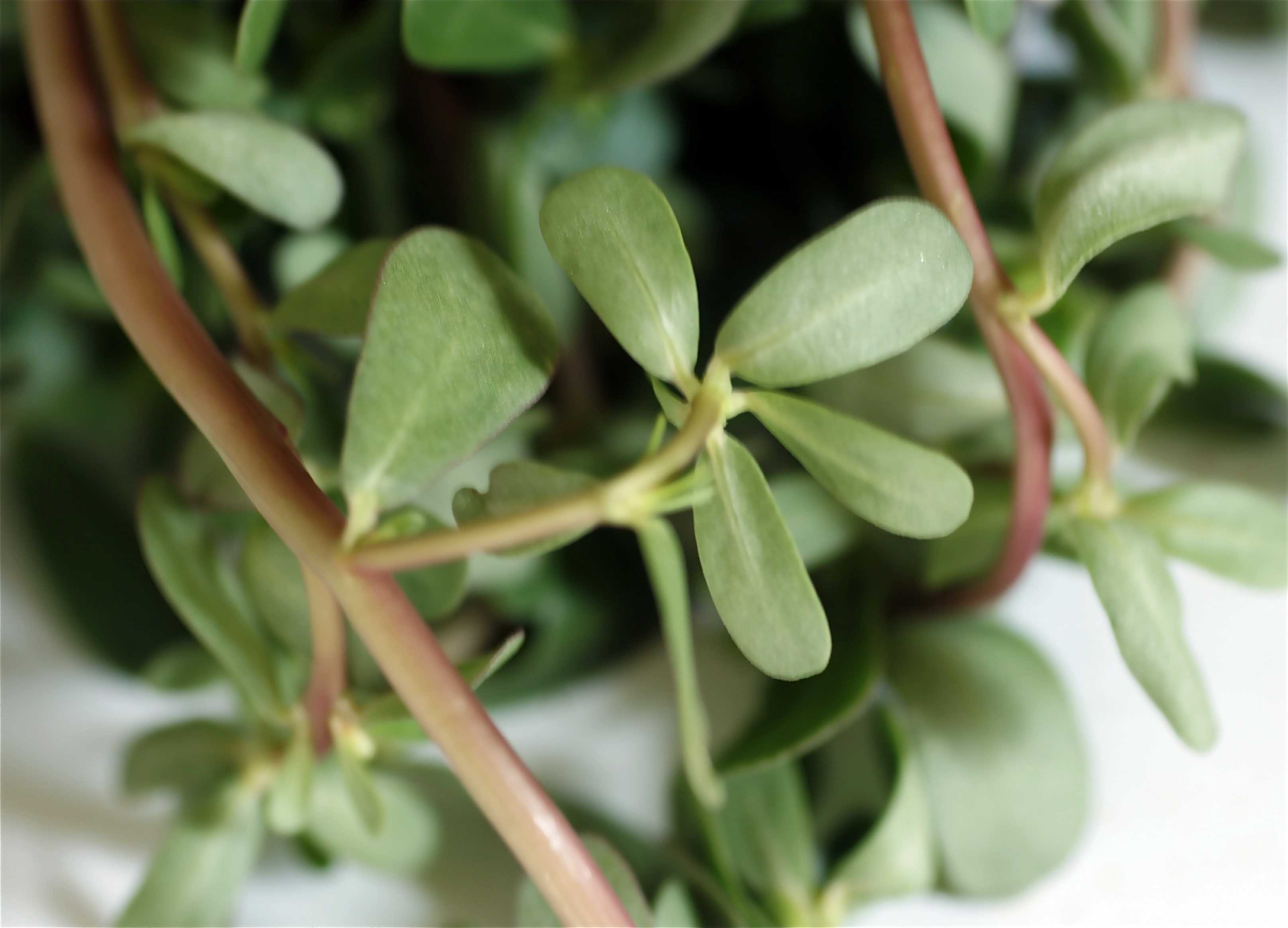
Very often people confuse purslane with a weed, but it is a very nutritious vegetable. Purslane was originally  cultivated in India, where it was a crop for many centuries. Now it grows wild all over America. Purslane was mentioned by Henry Thoreau in his book " Walden".
This plant is  a herbaceous leafy vegetable also known as pusley, pig weed or verdolaga.
  • Purslane is rich in Omega-3 fatty acids and its concentration is one of the highest found an any green leaf vegetable. 100 grams of purslane leaves may contain up to 300mg. of Omega 3's.
  • This plant is also a source of antioxidants. 
  • Purslane is an excellent source of calcium, one cup of cooked leaves contains 90mg of it.
  • To put the final touch, purslane contains quite a bit of potassium, one cup yields 560 mg.
  • It has a mild sweet flavor, it can be used raw in salads or steamed.      


+

Saturday, December 4, 2010

oregano


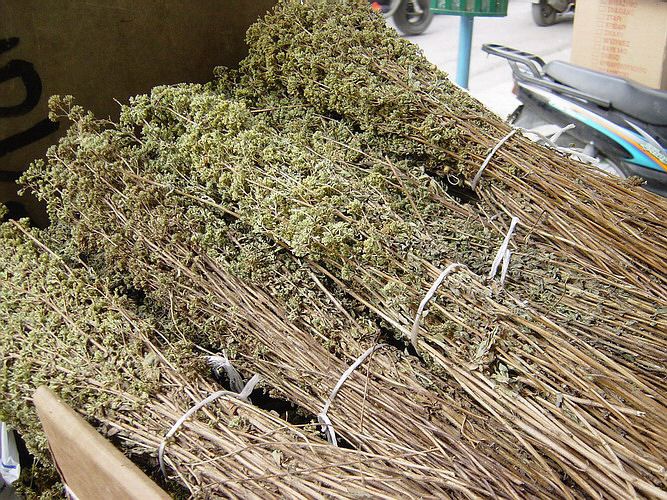
When we mention oregano, most  people think pizza!. There are so many varieties of oregano, that instead  of a plant, we should think of a flavor.
Origano vulgare, is rich in a variety of nutrients, including calcium, magnesium, zinc, iron, potassium, copper, boron, manganese, vitamin C, vitamin A and niacin. Dr. Cass Ingram wrote a book called "The Cure Is in the Cupboard", where he praises the benefits of oregano. Nowadays oil of oregano is a very popular supplement. Apparently it should be oil made from "wild oregano". Personally unless there is a condition to treat, I rather use plain oregano from my vegetable garden in my recipes.               
  • The medicinal parts of this plant are contained in the oil extracted from the leaves. This essential oil contains thymol and carvacrol,both compounds having anti fungal, anti parasitic properties. 
  • Oregano contains rosmaniric acid which has anti carcinogenic properties.
  • This oil has anti inflammatory properties.

Friday, December 3, 2010

delightful "dates"

When you badly need a snack late at night, this is the one!.

Recipe

1 cup of vanilla soy milk.
4 or 5 chopped dates
1 banana sliced

Blend the ingredients for a couple of minutes and enjoy it. If you are trying to loose weight, this is not the one, sorry.

Wednesday, December 1, 2010

garlic

                                                     
 Garlic is one of the oldest medicinal foods on the planet.There is mention of it in the oldest medical text  the "Egyptian Ebers Papyrus". It was used in Greece and China. 
Louis Pasteur, the 19th century chemist, demonstrated the antiseptic properties of garlic. This information was put to use in World War I and World War II by the British, German and Russian armies to fight gangrene.
Garlic is the most pungent member of the onion family. 

Benefits
  • It is good for your cholesterol levels, it lowers the bad cholesterol (LDL) and it pumps up the good one (HDL). It seems that a small supplement of 1 1/2 to 3 cloves of garlic taken daily, can lower your cholesterol by about 9% in 2 to 6 months.
  • Garlic thins the blood, which can help  reducing plaque in the arteries. Be careful, it may enhance the effects of blood thinning medications.
  • A diet rich in garlic can reduce the risk of certain cancers including stomach and colon cancer.
  • Garlic may increase insulin secretion, which would reduce blood sugar and even have a reverse effect on diabetes.
  • Inhibits the common cold viruses as well as other viruses and micro-organisms.
  • Eliminates worms, unfavorably bacteria and yeast.
  • It seems to have a positive effect on lowering high blood pressure.
  • It promotes the growth of healthy intestinal flora.
  • Garlic is detoxifying.
Get the full benefit of garlic

Allicin is the active ingredient in garlic. Garlic cloves contain an amino acid called allin, when garlic is crushed or damaged, allin reacts with an enzyme also found in the garlic plant, called allinase. This reaction produces allicin a compound unique to garlic. The garlic clove has to be chopped or crushed in order for this reaction to occur. Allicin begins to degrade as soon as it is produced, therefore it is important to use it right away. A whole clove intact doesn't have the medicinal value because the allicin hasn't  been produced.

Keep garlic in a dark and dry place. Don't keep it in the fridge, it will sprout quickly.
We all know that eating garlic can give halitosis, bad breath, to avoid it, combine it with parsley., which is helpful due to its chlorophyll content. I read that drinking milk with the garlic helps avoiding halitosis, personally I do.n't use milk and it seems that the combination is a bit wild, to say the least.

Cold remedy

Make a soup with garlic and cayenne, it has antiviral, antibiotic and diaphoretic (sweating) properties at the onset of a cold. Cayenne is one of the highest sources of vitamin C.